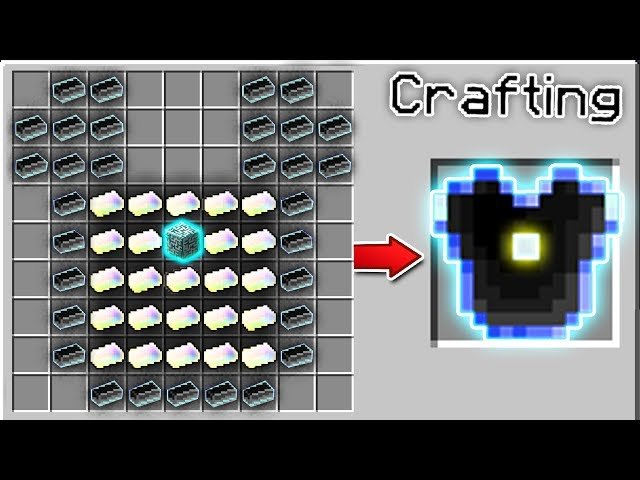
In the vast, blocky expanses of virtual worlds, from sprawling survival maps to intricate PvP arenas, your chances of success hinge on a fundamental trio: your Weapon Types, Armor Sets & Crafting. These aren't just game mechanics; they're the bedrock of strategy, survival, and ultimate triumph. Mastering them transforms you from a cautious beginner into an unstoppable force, capable of conquering challenging foes and building magnificent empires.
Whether you're fending off creepers, raiding dungeons, or competing against other players, understanding your gear and how to forge it is paramount. This guide cuts through the noise, offering the insights of a seasoned adventurer to equip you with the knowledge you need for better gameplay and deeper immersion.
At a Glance: Your Essential Gear & Crafting Roadmap
- Weapons are diverse: Choose between fast swords, shield-breaking axes, versatile tridents, or powerful ranged options like bows and crossbows, each with unique strengths.
- Armor is your shield: Progress from basic leather to impenetrable Netherite, understanding the distinct protection levels and special properties of each set.
- Crafting is key: Learn the recipes for essential tools and combat gear, and master the art of upgrading and repairing to extend your items' lifespan.
- Enchantments are game-changers: Unlock potent abilities for your weapons and armor, from increased damage and durability to unique utility effects.
- Strategy beats brute force: Apply smart combat tactics based on weapon types and enemy encounters, ensuring you're always prepared for the fight ahead.
- Advanced crafting exists: Explore complex, skill-based crafting systems in other games, like "The Forge," where player input directly impacts item quality.
The Foundational Trio: Weapons, Armor, and Crafting
Every adventurer, regardless of their chosen world, quickly learns that tools of war and defense aren't optional—they're essential. Weapons allow you to protect yourself, gather resources, and progress through challenges, while armor provides crucial damage mitigation, turning potential defeats into mere scratches. Yet, neither would exist without the intricate dance of crafting, the process of transforming raw materials into invaluable gear. This cycle of gathering, crafting, fighting, and improving is the very pulse of your gameplay experience.
Mastering Your Arsenal: A Deep Dive into Weapon Types
In a world teeming with threats, having the right tool for the job isn't just a convenience; it's a necessity. From swift melee strikes to precise ranged attacks, understanding the nuances of each weapon type will define your combat prowess. Let's break down the most common and effective weapons you'll wield in your adventures, focusing primarily on the beloved block-world of Minecraft.
Melee Mastery: Swords vs. Axes
The age-old debate for close-quarters combat often boils down to two contenders: swords and axes. Both are formidable, but their strengths lie in different scenarios.
Swords: The Staple of the Warrior
Swords are the quintessential melee weapon, offering a balanced blend of speed and damage. They boast the highest damage per second in melee combat within Minecraft, thanks to their swift 0.6-second cooldown. Crucially, swords also feature a unique sweep attack, allowing you to hit multiple targets in a close-knit group – a game-changer when outnumbered.
- Crafting Your Edge: Forging a sword is straightforward: place one stick in the bottom-middle slot of your crafting grid, and then two units of your chosen material (planks, cobblestone, iron ingots, gold ingots, or diamonds) directly above it.
- Types & Tiers:
- Wooden (4 Attack Damage): Your first, most basic defense.
- Stone (5 Attack Damage): A noticeable upgrade, easily obtained.
- Iron (6 Attack Damage): A reliable mid-game choice, solid defense.
- Golden (4 Attack Damage): Fast but fragile, generally not recommended for combat due to low durability.
- Diamond (7 Attack Damage): The pinnacle of conventional weaponry, incredibly potent.
- Netherite (7 Attack Damage): While matching Diamond in raw attack damage, Netherite offers significantly increased durability, knockback resistance, and the invaluable property of floating in lava—meaning your prized blade won't be lost to the fiery depths.
- Enchanted Blades: Enhance your sword with enchantments like Sharpness (general damage boost), Bane of Arthropods (extra damage to spiders, silverfish, bees, etc.), Smite (increased damage to undead mobs), or Fire Aspect (sets targets ablaze). You might also encounter "cursed" swords, which inflict negative status effects – always check before swinging!
Axes: Versatility with a Vengeance
While primarily tools for woodcutting, axes can also serve as powerful, albeit slower, weapons. They hit harder per swing than swords, making them potentially capable of quicker kills if timed perfectly. However, their slower attack speed and double durability reduction per hit make them less efficient for prolonged combat. Their standout combat feature? Axes can temporarily disable shields in PvP, giving you a tactical advantage against well-defended opponents.
- Crafting Your Power: An axe requires two sticks for the handle and three blocks of the corresponding material (wood, stone, iron, gold, diamond) arranged in an L-shape at the top of the crafting grid.
- Damage & Utility: While axes can deal more damage per hit, Bedrock Edition players generally find swords more favorable for combat due to their faster attack speed. Still, the shield-disabling ability of axes is a unique combat trick worth remembering.
Unconventional Melee: The Trident
The trident stands alone as a truly unique hybrid weapon. It cannot be crafted, instead, it's a rare drop from drowned mobs (with an 8.5% chance in Java Edition, and 15% in Bedrock Edition). Its rarity is matched only by its versatility, excelling in both melee and ranged combat.
- Dual-Use Dynamo: In melee, it behaves similarly to a sword, though slightly slower in Java Edition. When thrown (by holding the attack button), it follows a ballistic arc, much like an arrow, offering a powerful ranged option.
- Exclusive Enchantments: Tridents boast unique enchantments that greatly enhance their utility:
- Loyalty: A thrown trident magically returns to your hand. No more losing your valuable weapon!
- Impaling: Inflicts extra damage on aquatic mobs or any creature caught in wet conditions.
- Riptide: Propels you forward (and deals splash damage) when thrown in water or during rain, making for fantastic, albeit situational, mobility and attack.
- Channeling: During a thunderstorm, if your thrown trident hits a mob, it summons a lightning bolt, striking your foe with divine fury.
Ranged Prowess: Bows, Crossbows, and Their Ammunition
Sometimes, getting up close and personal isn't an option. For these moments, ranged weapons are indispensable.
Bows: The Classic Marksman's Choice
Bows are the go-to for hurling arrows from a distance. They require at least one arrow in your inventory to fire, and drawing the bow slows your movement, demanding tactical positioning.
- Crafting Simplicity: Craft a bow with three strings (from spiders) and three sticks in a specific pattern on the crafting table.
- Stats: Offers 1–10 attack damage, with a 1.1-second reload time and a range of up to 50 meters, and 385 durability.
- Enhancing Your Archery: Power is the essential enchantment, significantly boosting arrow damage.
Crossbows: Precision and Power
Crossbows offer greater power and accuracy than bows, ensuring your arrows travel farther. They can also load unique projectiles like firework rockets, turning colorful displays into explosive attacks. The trade-off is a slightly longer loading time.
- Crafting Complexity: A crossbow requires one iron ingot, three sticks, two strings, and one tripwire hook, arranged precisely on your crafting table.
- Stats: Delivers 6–11 attack damage, a 1.25-second reload time, and an impressive 100-meter range, with 465 durability.
- Tactical Edge: Enchant with Quick Charge for faster reloads or Piercing to hit multiple targets in a line.
Arrows: Your Ammunition Arsenal
Arrows aren't just one-size-fits-all; they come with a range of effects to suit any situation.
- Normal Arrows: Your primary ammunition. Craft with one flint, one stick, and one feather.
- Spectral Arrows: These illuminate targeted entities, making them visible even through blocks. Craft by surrounding a regular arrow with four glowstone dust.
- Tipped Arrows: The ultimate tactical arrow. Created by applying potions to regular arrows in a brewing stand, these deliver status effects upon impact, lasting 1/8th of the original potion's duration. With 15 types available (Regeneration, Poison, Harming, etc.), they offer immense strategic depth. Craft by surrounding a potion bottle with eight regular arrows on a crafting table to yield eight tipped arrows.
Fortifying Your Defenses: A Guide to Armor Sets
Survival isn't just about dealing damage; it's about taking it – or, more accurately, mitigating it. Armor is your personal shield, providing "Armor Points" that reduce incoming damage. A full set—helmet, chestplate, leggings, and boots—provides optimal protection.
The Evolution of Protection: From Leather to Diamond
Your journey through armor tiers will see you progressing from basic hides to gleaming gems, each offering increased protection and durability.
- Leather Armor: Your first line of defense, easily crafted from 24 pieces of leather (from cows or horses). It offers basic protection and, uniquely, can be dyed any color, allowing for personal customization.
- Chainmail Armor: A rare sight, chainmail cannot be crafted directly. It's typically obtained through trading with villagers or as mob drops. It offers moderate protection, sitting between leather and iron.
- Iron Armor: A solid, reliable choice for the mid-game. Iron armor provides substantial defense, second only to diamond. A full set requires 24 iron ingots, offering a practical intermediate set for most players.
- Diamond Armor: The pinnacle of conventional protection, diamond armor surpasses all other types in damage mitigation and durability. A full set demands 24 precious diamonds.
- Crafting Breakdown: 5 diamonds for a helmet (+3 armor), 8 for a chestplate (+8 armor), 7 for leggings (+6 armor), and 4 for boots (+3 armor). Each piece also provides +2 armor toughness, further enhancing your resilience.
The Pinnacle of Protection: Netherite Armor
Netherite armor represents the absolute best in protective gear, an upgrade forged in the fiery depths of the Nether. It not only offers superior durability and protection but also comes with invaluable traits like knockback resistance and immunity to fire and lava damage, meaning your precious gear won't burn up if you take a dip in magma.
- Obtaining Netherite: The process is multi-step:
- Mine Ancient Debris in the Nether (most commonly found at Y-levels 8-22).
- Smelt Ancient Debris in a furnace to create Netherite Scrap.
- Combine four Netherite Scrap with four gold ingots on a crafting table to yield one Netherite Ingot.
- Upgrading Your Diamond Gear: To transform your diamond armor into Netherite, you'll need a Smithing Table. Place your diamond armor piece in the first slot, and a Netherite Ingot in the second. The upgrade is irreversible but well worth the effort.
Beyond Standard Sets: Unique Armor & Utilities
Not all protective gear fits neatly into sets. Some pieces offer unique abilities that redefine gameplay.
- Elytra: The dream of flight made real. This rare item, found in End cities (specifically within the treasure room of an End ship), equips in your chestplate slot, allowing for controlled glided flight in Survival mode. Repair them by combining with another Elytra or using phantom membranes (each membrane restores 25% durability). To fly, simply press the jump key while falling, then control your pitch for speed and direction. Firework rockets can provide a burst of speed!
- Turtle Shells: Worn in the helmet slot, a turtle shell provides two armor points and a valuable 10 seconds of "Water Breathing" (which resets each time you surface). It also boasts higher durability than an iron helmet. Craft it from five scutes, which baby turtles drop as they grow into adults. Interestingly, a turtle shell can also be brewed into a Potion of the Turtle Master, granting both Resistance III and Slowness IV.
The Art of Enhancement: Enchantments and Armor Trims
Once you have your gear, the next step is to make it truly exceptional. Enchantments infuse your items with magical properties, while armor trims allow for unparalleled personalization.
Unlocking Potential: The Enchanting Table
The enchanting table is your gateway to powerful gear. Crafted with two diamonds, four obsidian, and one book, it allows you to imbue items with special abilities. For the highest-level enchantments (up to level 30), surround your enchanting table with 15 bookshelves, placed one block away. Enchanting requires both Lapis Lazuli and experience levels.
- Other Acquisition Methods: Enchanted books can also be found in chests, obtained by trading with Librarian Villagers, by fishing, from mob drops, or even through bartering with Piglins in the Nether. You can combine enchanted books with items on an Anvil, or merge two identical enchanted items to transfer and combine their enchantments.
Key Weapon Enchantments
- Sharpness: The universal melee damage booster, effective against all mobs.
- Power: Increases the damage dealt by bows.
- Bane of Arthropods: Specialized damage against spiders, cave spiders, silverfish, and bees.
- Smite: Boosts damage specifically against undead mobs (zombies, skeletons, phantoms, etc.).
- Knockback: Sends mobs flying backward with each hit.
- Fire Aspect: Sets your target on fire, dealing damage over time.
- Sweeping Edge: Increases the damage of your sword's sweep attack.
- Looting: Increases the amount and rarity of items dropped by mobs.
Key Armor Enchantments
- Protection: The all-around damage reducer, mitigating up to 16% of all incoming damage types per piece.
- Projectile Protection: Reduces damage taken from ranged attacks (arrows, ghast fireballs, etc.).
- Blast Protection: Mitigates damage from explosions (creepers, TNT, ghast fireballs).
- Fire Protection: Reduces damage and burning time from fire and lava.
- Feather Falling: Significantly reduces fall damage.
- Unbreaking: Increases your armor's durability, making it last longer.
- Mending: Perhaps the most valuable enchantment, Mending repairs your gear using experience points you collect.
- Soul Speed: (Boots only) Increases your walking speed on soul sand and soul soil. Obtained via Piglin bartering.
- Aqua Affinity: Enhances your underwater mining speed.
- Depth Strider: Boosts your underwater movement speed.
- Respiration: Extends the amount of time you can hold your breath underwater.
- Swift Sneak: (Leggings only) Enhances your stealth, allowing faster movement while sneaking.
- Frost Walker: (Boots only) Turns water into frosted ice as you walk over it, and provides immunity to magma block damage.
- Thorns: Reflects a small amount of damage back to attackers (at the cost of faster durability loss).
Strategic Enchanting: Maximizing Your Gear
For optimal gear, consider enchanting books first, then combining them with your desired items on an Anvil. This allows for greater control over the enchantments you get. Mending is an absolute must-have for any frequently used item, as it essentially grants infinite durability if you gather enough experience. Unbreaking is also fantastic for extending item lifespan. For armor, prioritize Protection on all pieces, and Feather Falling on your boots is a perennial favorite for clumsy adventurers.
Personalizing Your Protection: Armor Trims
Beyond functionality, armor trims offer a unique aesthetic customization. These visual additions are applied using a Smithing Template and a material, with the trim's design reflecting the biome or structure where the template was found.
- Location, Location, Location: Templates are found in various structures: Pillager Outpost (Sentry), Shipwreck (Coast), Desert Pyramid (Dune), Jungle Temple (Wild), Ocean Monument (Tide), Ancient City (Ward, Silence), Bastion Remnant (Snout), Woodland Mansion (Vex), Nether Fortress (Rib), Trail Ruins (Host, Wayfinder, Raiser, Shaper), Stronghold (Eye), and End City (Spire).
- Application: At a Smithing Table, place the Smithing Template in the first slot, your armor piece in the second, and a chosen material (Amethyst, Copper, Diamond, Emerald, Gold, Iron, Lapis, Netherite, Quartz, Redstone) in the third to add color to your trim.
Crafting: The Heart of Progression
The ability to craft is arguably the most defining feature of many sandbox games. It's how you turn raw materials into life-saving tools and powerful armaments.
Minecraft's Crafting Table: The Basics
Most crafting in Minecraft happens on a 3x3 crafting grid. Recipes for basic weapons and armor, as detailed above, involve arranging specific materials in predetermined patterns. But crafting isn't just about initial creation.
Beyond the Grid: Smithing Tables and Anvils for Upgrades and Repairs
As your adventures grow more perilous, your gear will inevitably take a beating. That's where specialized crafting stations come in. Smithing Tables are used for upgrading Diamond gear to Netherite and for applying armor trims. Anvils are crucial for repairing damaged items using their base materials (more cost-effective than crafting new ones), combining enchantments from books or other items, and renaming items.
A Different Paradigm: Crafting in "The Forge" (Roblox)
While Minecraft offers a fixed recipe system, some games take crafting to an entirely new level, making it a skill-based mini-game where player performance directly impacts item quality. Take "The Forge" on Roblox, for example, where the crafting process involves three distinct, skill-based phases:
- Smelting: Managing heat to refine ores.
- Pouring: Carefully transferring molten metal into molds.
- Shaping: Skillfully hammering the material into its final form.
In "The Forge," the materials themselves have unique properties; an ore must constitute at least 30% of the total mix to activate its special passive ability. Recent balance changes (December 2025) in "The Forge" have significantly shifted the meta, making early endgame builds more accessible and valuable, while adjusting ore multipliers (e.g., Gargantuan 33.3x → 25x) and rune effectiveness (e.g., Life Steal from [5%/13%] to [4%/11%] with a max heal cap).
For players navigating such a system, strategic material selection and skilled execution are paramount for crafting potent gear. Here are some examples of successful weapon and armor recipes by progression level in "The Forge," showcasing the complexity:
Weapons (The Forge Progression)
- Early Game (Levels 1-50): Focus on accessibility.
- Falchion/Gladius Sword: 6x Aite (95% success rate).
- Uchigatana Katana: 6x Aite + 6x any other ore (90% success).
- Mid Game (Levels 50-150): Introduce rare materials for passive effects.
- Rapier: 1x Eye Ore + 5x Epic Materials (80% success). The Eye Ore provides a damage boost but reduces health by 10%.
- Great Sword: 1x Eye/Fireite Ore + 5x Epic Materials (75% success). Slow but devastating, with Fireite adding burn effects.
- Early Endgame (Levels 150-250): Offers the best material value post-balance changes.
- Dagger: 1x Iceite, 1x Crimsonite, 1x Voidstar. Ideal for fast farming.
- Straight Sword: 2x Iceite, 2x Crimsonite, 2x Voidstar (or alternative setups like Malikite/Suryafal) for crit-focused gameplay.
- True Endgame (Levels 250+): Extremely expensive, often for collection.
- Colossal Sword: 12x Gargantuan, 12x Heavenite, 12x Suryafal. While Excalibur boasts the highest DPS (1 in 1000 forge chance), Darkryte Colossal Sword offers more realistic endgame power.
Armor (The Forge Progression)
- Early Game (Starting Zone): Focus on solid defense.
- Knight/Puppy Build Chestplate: 16x Ruby + 10x Emerald + 10x Cuprite (~134 base defense). Replacing Cuprite with Poopite can add a "Poison Cloud" effect.
- Mid Game (Island 2 Progression): The Samurai Armor Set is often favored for its health boost without heavy movement speed penalties.
- Chestplate/Leggings: 5x Obsidian + 5x Uranium + 5x Mythril + 2x Eye Ore.
- Helmet: 3x Obsidian + 3x Uranium + 7x Mythril + 3x Eye Ore.
- This set can provide around a 30% total health boost, with Uranium granting a passive AoE damage effect (1.2% of max health).
This distinction highlights how crafting can range from simple pattern-matching to complex, skill-driven systems where even subtle balance changes can redefine the "best" gear.
Strategic Combat: Applying Your Knowledge
Having the best gear is only half the battle; knowing how to use it effectively is the other. Here are some combat strategies and tips to put your weapon and armor knowledge into practice in your adventures. For more on optimizing your combat skills across various game types, you might want to Explore Monster Hunter Generations, a game renowned for its intricate monster hunting and diverse weapon styles.
Beginner's Best Bets
If you're just starting out, prioritize weapons over armor. An iron sword is an excellent starting choice, providing a good balance of damage and accessibility. Once you have a decent weapon, then focus on acquiring a full set of iron armor.
Mastering Melee
In sword combat, timing is everything. Avoid "spam-clicking," as continuous rapid clicks reduce your damage output. Instead, wait for your attack cooldown bar (above your hotbar) to fully recharge for maximum damage per hit. This careful timing makes a significant difference in prolonged engagements.
Ranged Tactics
When wielding a bow, always draw the bowstring fully for maximum damage and range. Against moving targets, learn to "lead" your shots, aiming slightly ahead of where the enemy is going. For crossbows, use them strategically for precision strikes or loading firework rockets for area-of-effect damage.
Surviving the Dimensions: Nether and End Combat
Each dimension presents unique challenges:
- Nether Combat: The Nether is dangerous. Always create a secure, spawn-proof hub around your portal. Stock up on food and equip strong, enchanted armor (ideally Netherite for lava immunity) and weapons. Fire Protection enchantments are highly recommended.
- End Dimension Combat (Ender Dragon): For the Ender Dragon fight, an obsidian base is crucial for safety. Use your bow and arrow to destroy the end crystals (some of which are protected by iron bars). Bring beds (which explode in the End, dealing massive damage to the dragon) for the final phase. Ender Pearls are great for teleportation, and a carved pumpkin on your head will prevent Endermen from becoming hostile if you look at them. Water buckets are invaluable for breaking your fall from high places.
Maintaining Your Arsenal: Repairing Gear
Damaged gear is inefficient gear. Always repair your items using an Anvil. Place the damaged item in the first slot and the crafting material (e.g., diamonds for diamond items, iron for iron items) in the second. This is far more cost-effective than crafting entirely new items and preserves any valuable enchantments.
Your Journey Forward: Gear Up and Thrive!
The world is vast, filled with wonders and dangers in equal measure. Your ability to navigate its challenges, overcome its foes, and carve out your own legend rests squarely on your understanding of Weapon Types, Armor Sets & Crafting. From the humble wooden sword to the magnificent Netherite armor, and from basic crafting recipes to intricate, skill-based forging, every piece of knowledge you've gained here will empower your gameplay. So, gather your resources, head to your crafting table, and forge your destiny. The adventure awaits!