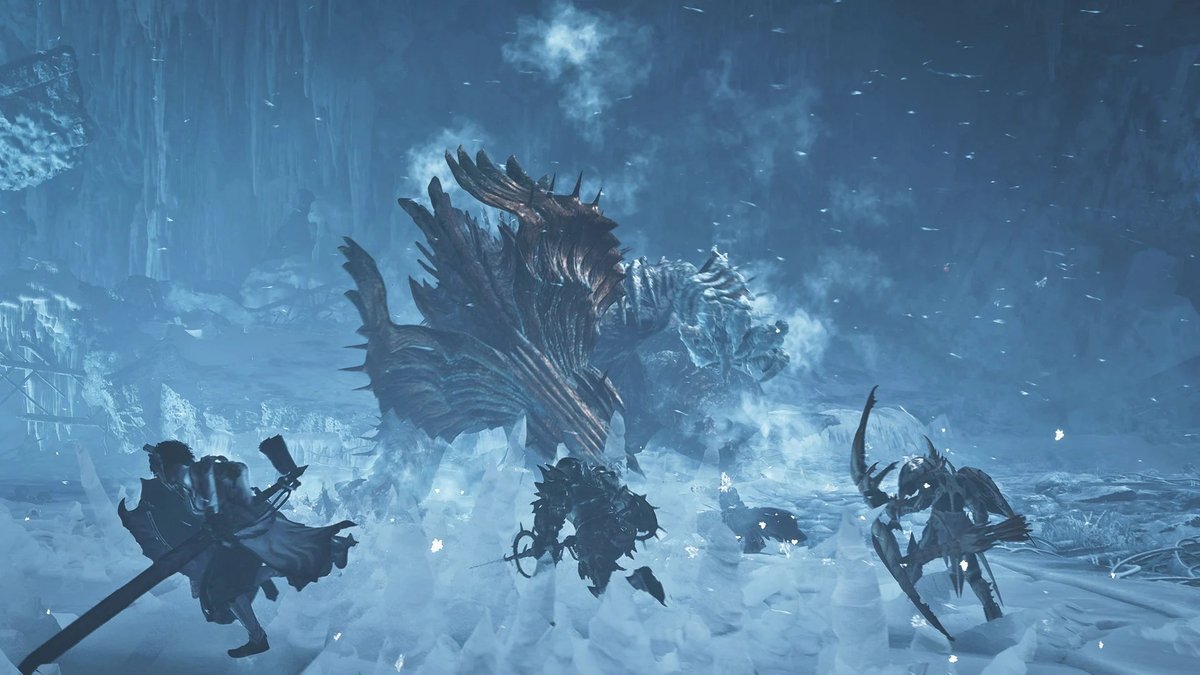
So, you've geared up, stepped out into the wilds, and come face-to-face with a creature of immense power. What's next? Panic? A desperate swing? Or a calculated strike that turns the tide? In the world of Monster Hunter, brute force alone will only get you so far. True mastery lies in understanding your foe, dissecting their vulnerabilities, and executing a strategy that exploits every single weakness. This isn't just about hitting hard; it's about hitting smart. Welcome to your comprehensive guide on mastering Monster Hunting Strategies & Weaknesses, designed to transform you from a fledgling hunter into an apex predator.
At a Glance: Your Tactical Takeaways
- Hit the Yellow! Always aim for parts that show yellow damage numbers; these are physical weak spots. Gray numbers mean you're hitting armor.
- Elemental Advantage: Match your weapon's element (Fire, Water, Thunder, Ice, Dragon) to the monster's specific elemental weakness for massive damage boosts.
- Status Savvy: Don't underestimate status effects like Poison, Paralysis, Sleep, Stun, and Blast. They create crucial openings.
- Part Breaks are Power: Breaking monster parts not only provides rare materials but often exposes new weak spots or disables dangerous attacks.
- Observe and Adapt: Every monster has tells. Learn their patterns, anticipate their moves, and reposition constantly to stay safe and deal damage.
- Gear Up Smart: Your preparation in the hub, from choosing the right weapon and armor to packing essential items, is half the battle.
The Hunter's Core Philosophy: Exploit, Adapt, Conquer
At its heart, Monster Hunter is a grand puzzle. Each monster, from the humble Great Jagras to the formidable Rathalos, presents a unique challenge, an intricate combination of attacks, resistances, and—most importantly—weaknesses. Your mission isn't merely to survive, but to dismantle this challenge piece by piece.
This begins with a foundational understanding: every monster has predictable behaviors, specific soft spots, and aversions to certain elements or ailments. Your job is to identify these, then leverage your arsenal and cunning to create devastating openings. Think of yourself as a detective, observing clues in their roars, their charges, and even their flinches, then using that information to deliver precise, impactful strikes.
Mastering Weak Points: Your Hunter's Primer
Before diving into individual monsters, let's nail down the universal principles that govern all successful hunts.
Physical Weaknesses: Where to Strike for Maximum Impact
You've seen the numbers pop up after a hit: some gray, some white, and then, gloriously, some yellow. Those yellow numbers are your best friends. They signify a physical weak point, a part of the monster's body that takes significantly more damage. Prioritizing these spots is non-negotiable for efficient hunts.
But it's not just about raw damage. Consistently striking specific parts can lead to "part breaks"—think horns snapping, tails severing, or scales cracking. These breaks often:
- Expose New Weaknesses: A monster's tough hide might conceal a softer spot underneath, only revealed after the armor is shattered.
- Disrupt Attacks: Severing a tail can remove its poison capabilities or shorten its reach. Breaking a head might stun a monster or prevent a dangerous projectile attack.
- Provide Rare Materials: Many crafting materials are exclusive to part breaks, making them essential for progression.
So, when you see those yellow numbers, double down. If a part isn't taking much damage (gray numbers), reposition or switch your focus.
Elemental Vulnerabilities: The Right Tool for the Job
Beyond physical weak points, every monster has elemental strengths and weaknesses. There are five core elements in the Monster Hunter universe:
- Fire: Burns and deals damage over time.
- Water: Can extinguish fiery auras or wash away protective mud.
- Thunder: Often causes paralysis or stuns.
- Ice: Can slow monsters or freeze them in place.
- Dragon: A unique, often potent element effective against Elder Dragons and some other powerful foes.
Using a weapon imbued with a monster's weak element provides a substantial damage bonus, sometimes turning a tough fight into a brisk one. For instance, bringing a Fire weapon against an Ice-element monster will yield far better results than a Water weapon. Always check your in-game hunter's notes or prepare wisely before heading out.
Status Effects: The Hunter's Secret Weapon
While elements boost direct damage, status effects offer tactical advantages that can turn the tide of a battle. These include:
- Poison: Deals damage over time, chipping away at a monster's health even when you're repositioning.
- Paralysis: Renders a monster completely immobile for a short duration, creating massive openings for free hits or powerful special attacks.
- Sleep: Puts the monster to sleep, allowing for a huge wake-up hit (the first hit after sleep deals bonus damage). Perfect for setting up large bombs or powerful charge attacks.
- Stun: Knocks the monster out, leaving it vulnerable. Often triggered by repeated hits to the head or specific stun-inducing attacks.
- Blast: Causes an explosion after a certain amount of blast buildup, dealing fixed damage and often knocking monsters down.
Many monsters are specifically vulnerable to one or more status effects. Equipping a weapon or using items that inflict these can be a game-changer, especially against agile or heavily armored foes. Incorporating status effects into your overall latest weapon tier lists strategies can drastically improve your hunt times.
The Power of Weakness Exploit: A Skill Every Hunter Craves
For those looking to truly maximize their damage output, the "Weakness Exploit" armor skill is a must-have, especially prevalent in games like Monster Hunter Wilds. This skill dramatically increases your critical hit chance when striking a monster's weak points or wounds.
- Level 1: +5% affinity on weak points (+8% on wounds).
- Level 2: +10% affinity on weak points (+15% on wounds).
- Level 3: +15% affinity on weak points (+25% on wounds).
- Level 4: +20% affinity on weak points (+35% on wounds).
- Level 5: +30% affinity on weak points (+50% on wounds).
The synergy between targeting weak points and having Weakness Exploit is immense. It transforms accurate hitting into a flurry of critical damage, making your hunts faster and more satisfying. Always consider this skill when building your advanced armor skills.
Monster Hunter Now: Early Game Dominance & Progressive Challenges
Monster Hunter Now brings the thrill of the hunt to your everyday world, streamlining many mechanics but retaining the core challenge of understanding your foe. Here, quick thinking and precise execution are paramount. Let's break down some common monsters and their specific weaknesses and strategies.
The Starting Line: Great Jagras
- Weak Spots: Head, Chest
- Elemental Weaknesses: Fire, Poison
- Key Strategy: The Great Jagras is your basic training. Focus on its head and chest. Its signature move is rolling; dodge this and get ready to punish. The biggest opportunity comes when you break its stomach (after it consumes something). This will make it flail, creating a massive opening for free damage.
The Rock-Wielding Menace: Kulu-Ya-Ku
- Weak Spots: Head, Forelegs
- Elemental Weakness: Water
- Key Strategy: Kulu-Ya-Ku is fairly straightforward, mostly attacking forward or jumping. The challenge escalates at 4 stars when it grabs a rock. This rock protects its front, making headshots difficult. Your move? Roll to the side to attack its unprotected flanks or forelegs. For melee, consider temporarily removing lock-on when it holds the rock to ensure you're hitting its arm rather than the protected head.
The Poisonous Puker: Pukei-Pukei
- Weak Spots: Head, Tail
- Elemental Weakness: Thunder
- Element: Poison
- Key Strategy: Pukei-Pukei loves its double tail sweep. If you're close, roll twice with the sweep or once against it to be safe. From a distance, it spits poison, often followed immediately by another attack like a charge. Be ready to dodge after its poison spit. Focus on its head or tail for consistent damage.
The Mud-Slinger: Barroth
- Weak Spots: Tiny Forelegs (especially vulnerable)
- Elemental Weaknesses: Fire, Poison
- Element: Water
- Key Strategy: Barroth is covered in protective mud. Water weapons or repeated hits will remove this mud, significantly increasing the damage it takes. It has a dramatic head plunge attack, which leaves it vulnerable. Watch out for its butt shake, which drops damaging mud in an AOE. For ranged users, a pierce bow is highly effective at hitting its tiny forelegs compared to a spread bow.
The Paralyzing Predator: Great Girros
- Weak Spots: Head, Tail
- Elemental Weakness: Water
- Element: Paralysis
- Key Strategy: Great Girros uses paralysis attacks primarily in front of it. Sticking to its sides is a good defensive strategy. Be mindful of its front legs, as it will strike with them if you're too close on its side. Focus on its head or tail.
The Thunder Squirrel: Tobi-Kadachi
- Weak Spots: Head, Tail (tail takes much more damage)
- Elemental Weaknesses: Water, Poison
- Element: Thunder
- Key Strategy: Tobi-Kadachi is agile. Observe its patterns from a distance as it pulls back before attacking. The tail is its prime weak spot for damage. However, staying too long at its tail will provoke a strike. When facing its head, it attacks forward; if you move to the side, it immediately follows with a side attack, which can be a good opportunity for a special attack without taking damage.
The Balloon Bat: Paolumu
- Weak Spots: Head, Neck Pouch, Wings
- Elemental Weakness: Fire
- Key Strategy: Paolumu often attacks with its head and can curl into a ball for spinning attacks. Attack it before or after these moves. Significant damage opportunities arise when it's inflating its neck pouch or if you manage to break the pouch itself. Breaking its neck pouch will often leave it vulnerable and flailing.
The Swamp Lurker: Jyuratodus
- Weak Spots: Head, Tail
- Elemental Weakness: Thunder
- Element: Water
- Key Strategy: Jyuratodus is a master of the swamp. If it dives underwater, prepare for a big attack and keep rolling to dodge. Otherwise, stick to its side. Breaking its head (similar to Paolumu's neck pouch or Jagras' stomach) will make it flail, creating a large damage window. A bow special aimed at its head right at the start of the fight can pierce multiple body parts for mega damage.
The Fiery Beast: Anjanath
- Weak Spots: Head (primary), Hind Legs (for flailing)
- Elemental Weakness: Water
- Element: Fire
- Key Strategy: Anjanath is aggressive. It performs forward and side head attacks and a wide spin. It has many initial attacks before settling into a rhythm. The biggest opening is when it's breathing fire; hit its head hard then. Breaking its hind legs will make it flail. After it screams and enters its enraged state, its wings gain an additional weakness. For bow users, aim for the head, step to the side during its head attack, and continue firing. Be wary of its side tackle if too close.
The Queen of the Skies: Rathian
- Weak Spots: Head, Wing (easy to break)
- Elemental Weaknesses: Thunder, Dragon
- Element: Fire, Poison
- Key Strategy: Rathian is a formidable foe. Step to the side, attack its head, and back up when it takes to the air and uses its tail. It has a double tail sweep similar to Pukei-Pukei. Its wings are relatively easy to break with spread or rapid bows, which can help ground it or limit its aerial attacks. Always carry antidotes for its poison attacks.
The Ice Wyvern: Legiana
- Weak Spots: Head, Wing (easy to break)
- Elemental Weaknesses: Fire, Poison
- Element: Ice
- Key Strategy: Legiana is fast and graceful. If you're close, watch out for a leg move. Its wing forward dash has a wide radius, so be careful of getting hit on the side. Like Rathian, its wings are easy targets for spread or rapid bows, and breaking them can significantly hinder its mobility.
The Desert Tyrant: Diablos
- Weak Spots: Head, Wing, Tail torso area
- Elemental Weaknesses: Ice, Dragon, Paralysis
- Key Strategy: Diablos is notorious for its underground attacks. When it burrows, your lock-on will show its emergence point. To dodge its devastating pop-up attack, perform at least two diagonal rolls away from where it burrowed. Ranged weapons like bows have an easier time due to its dashing. For melee, aim for its hind legs and hit the tail torso area for maximum damage. Its wings are easy to break with spread or rapid bows. A crucial tactic: dealing enough damage while it's trying to burrow will trap it in the sand, giving you free hits. Black Diablos is a tougher variant with different drops. This monster is a great example of where specific elemental damage mechanics really shine.
The King of the Skies: Rathalos
- Weak Spots: Head, Wing
- Elemental Weaknesses: Thunder, Dragon
- Key Strategy: Rathalos is a true test of a hunter's skill. He flies often, using long-range fireballs, arc fire (intermediate), a single tail spin, and a claw lunge. Be ready to dodge aerial attacks and position yourself to hit his head when he lands or his wings when he's airborne. Breaking his wings can limit his flight time. Beating the storyline Rathalos often unlocks 6-star monsters and access to crucial refining parts for upgrading your gear further.
Monster Hunter Wilds: Advanced Tactics & Diverse Ecosystems
Monster Hunter Wilds deepens the hunt with more intricate monster behaviors, environmental interactions, and a robust skill system. Here, the principles of exploiting weaknesses remain, but with added layers of strategy.
Core Weakness System Concepts: A Refresher for the Wilds
The Wilds reinforce what you've learned:
- Yellow Damage Numbers: Still your primary indicator for physical weak points.
- Elemental Match-ups: Essential for optimizing damage.
- Status Effects: Poison, Paralysis, Sleep, Stun, and Blast are vital tools.
- Weakness Exploit Skill: Leverage this armor skill to supercharge your weak point damage.
But Wilds adds more environmental interactions and nuanced monster states that you can turn to your advantage.
Mastering the Wilds: Monster-Specific Weaknesses and Strategies
Let's delve into the vast bestiary of Wilds, focusing on their unique vulnerabilities and combat approaches.
Fiery & Icy Threats
- Ajarakan:
- Weak Spot: Arms
- Elemental Weaknesses: Water, Ice
- Resistances: Fire, Sonic Bombs
- Strategy: This fiery beast requires cool drinks or Chillmantle Bugs to counter its aura. Use Water-based attacks or Watermoss to weaken its hide. When enraged, its shells soften, presenting a prime attack window.
- Blangonga:
- Weak Spot: Rear
- Elemental Weaknesses: Fire, Thunder
- Resistances: Ice, Dragon, Sonic Bombs
- Strategy: Blangonga is an aggressive ape-like monster. Focus on its rear when you have an opening. Fire and Thunder weapons are your best bet.
- Gravios:
- Weak Spot: Head, Belly, Back, Tail (after breaking armor)
- Elemental Weaknesses: Water, Ice, Dragon
- Resistances: Fire, Sonic Bombs
- Strategy: Gravios is a walking tank. Its tough armor needs to be broken to expose its soft weak points. Focus on its head or stomach. Be prepared for its fire, poison, and sleep gases.
- Jin Dahaad:
- Weak Spot: Mouth, Chest
- Elemental Weakness: Fire
- Resistances: Ice, Sonic Bombs, Pitfall Traps
- Strategy: Break its thick armor to reveal weak spots. Its wide ice attacks demand careful dodging. When it curls up for an explosion, hide behind ice formations. Fire weapons are critical here.
Aquatic & Environmental Masters
- Balahara:
- Weak Spot: Mouth
- Elemental Weakness: Thunder
- Status Vulnerabilities: Paralysis
- Resistances: Water
- Strategy: Aim for its mouth when it opens to spit. Sonic Bombs are effective. Be ready for fast thrashing and leaps from the sand; lighter, more agile weapons can be an advantage.
- Nu Udra:
- Weak Spot: Mouth
- Elemental Weakness: Water
- Resistances: Fire, Flash Pods, Sonic Bombs
- Strategy: Ambushing often, Nu Udra requires constant vigilance. Cutting off its limbs can weaken it. If it ignites itself, use Watermoss to extinguish the flames and create a large opening. Water weapons are paramount.
- Uth Duna:
- Weak Spot: Mouth
- Elemental Weakness: Thunder
- Resistances: Water, Sonic Bombs
- Strategy: Its fin-like shields retract after enough damage, but this makes it faster. Watch out for its water waves and dodge sideways. Thunder weapons are essential.
Venomous & Status-Inflicting Foes
- Chatacabra:
- Weak Spot: Tongue
- Elemental Weaknesses: Ice, Thunder
- Status Vulnerabilities: Stun, Paralysis, Poison
- Resistances: Dragon, Sonic Bombs
- Strategy: Attack its extended tongue during its attacks. Steady damage can break rocks it collects on its arms. Stay behind it to avoid its powerful front attacks.
- Congalala:
- Weak Spot: Rear
- Elemental Weaknesses: Fire, Ice
- Resistances: Sonic Bombs
- Strategy: Avoid its infamous fart attacks; use Deodorant or roll in water to cure the stink effect. Attack its exposed rear when it stands on its hind legs. Fire weapons are very effective.
- Gypceros:
- Weak Spot: Head
- Elemental Weaknesses: Fire, Ice
- Resistances: Thunder, Flash Pods, Sonic Bombs, Shock Traps
- Strategy: Watch its head movements; if it starts clicking, back away to avoid its blinding flash. Breaking its head will prevent this attack. Fire and Ice weapons are effective.
- Lala Barina:
- Weak Spot: Tail, Stinger
- Elemental Weakness: Fire
- Status Vulnerabilities: Stun
- Resistances: Water, Dragon, Sonic Bombs
- Strategy: Avoid its red, paralyzing florets. If it climbs to the ceiling, stun or damage it to knock it down. Attack the flower to make it retreat, then hit its exposed stinger. Mounting is also effective.
- Nerscylla:
- Weak Spot: Pincers
- Elemental Weaknesses: Fire, Thunder
- Status Vulnerabilities: Paralysis
- Resistances: Water, Thunder, Dragon, Sonic Bombs
- Strategy: Carry antidotes and energy drinks for its poison and sleep attacks. Use Fire to burn its mantle, exposing weak skin. Stay mobile to avoid its fast pincer strikes.
- Rompopolo:
- Weak Spot: Tongue
- Elemental Weakness: Water
- Resistances: Sonic Bombs
- Strategy: Bring antidotes for its poison clouds. Destroy its explosive sacs to prevent them from triggering, and use Water weapons to help stop these explosions.
- Xu Wu:
- Weak Spot: Mouth
- Elemental Weakness: Ice
- Status Vulnerabilities: Poison
- Resistances: Dragon, Flash Pods, Sonic Bombs
- Strategy: This monster moves unpredictably and ambushes frequently. Attack its mouth when it prepares an attack to stun it. Ranged weapons are effective due to its lack of long-range moves.
Guardians & Unique Mechanics
- Arkveld / Guardian Arkveld:
- Weak Spot: Chainblades
- Elemental Weaknesses: Dragon* (forces out of rage mode, no extra damage)
- Resistances: Exhaust, Sonic Bombs, Elemental Attacks on Chainblades
- Strategy: Target its chainblades with non-elemental attacks. Dodge sideways to avoid sudden energy bursts. Dragon element doesn't boost damage but helps calm it down.
- Gore Magala:
- Weak Spot: Mouth
- Elemental Weaknesses: Fire, Thunder, Dragon
- Resistances: Water, Flash Pods, Sonic Bombs
- Strategy: Gore Magala applies the Frenzy virus, which weakens healing. Keep attacking to overcome Frenzy and gain an affinity boost. Breaking its antennae is key to prevent it from entering its more aggressive Frenzy mode. Fire and Dragon weapons are highly effective.
- Rey Dau:
- Weak Spot: Head
- Elemental Weaknesses: Water, Ice
- Resistances: Thunder, Sonic Bombs, Shock Traps
- Strategy: Attack its glowing crystals to weaken its electric attacks. Avoid its front to dodge devastating beams. Hitting its head when it charges can cancel its attacks. Water weapons are optimal.
- Zoh Shia:
- Weak Spot: Head, Wingarms
- Elemental Weaknesses: Dragon
- Resistances: Exhaust, Flash Pods, Sonic Bombs, Shock Traps, Pitfall Traps
- Strategy: Zoh Shia has high health and fights similarly to Rey Dau. Be patient and defensive. Break the crystals on its wings and skull to weaken it. Dragon weapons are essential for this tough encounter.
Brute & Mammalian Hunters
- Doshaguma / Guardian Doshaguma:
- Weak Spot: Belly (Doshaguma), Forelegs (Guardian Doshaguma)
- Elemental Weaknesses: Fire, Thunder (Doshaguma), Fire, Ice, Thunder, Dragon (Guardian Doshaguma)
- Resistances: Sonic Bombs
- Strategy: Use Dung Pods to separate multiple Doshagumas. Lure them into traps. Attack the belly when they stand up, or hit from the side. Guardian variants may require more targeted attacks on forelegs.
- Guardian Ebony Odogaron:
- Weak Spot: Forelegs, Tail
- Elemental Weakness: Water
- Resistances: Exhaust, Sonic Bombs
- Strategy: Play defensively against its fast, bleeding-inducing attacks. Attack when it pauses. Ranged weapons are effective, and Water weapons are most potent.
- Guardian Fulgur Anjanath:
- Weak Spot: Mouth
- Elemental Weaknesses: Water, Ice, Dragon
- Resistances: Thunder, Exhaust, Sonic Bombs
- Strategy: Attack its legs to trip it, then land strong hits while it's down. Water weapons are your best option.
- Yian Kut-Ku:
- Weak Spot: Mouth
- Elemental Weaknesses: Water, Ice, Thunder
- Resistances: Dragon
- Strategy: Weak to Sonic Bombs. In its frenzy mode, it pecks wildly and charges; wait for it to calm down before counterattacking.
Flying Wyverns (Wilds Context)
While Rathian and Rathalos were detailed for MH Now, their core elemental weaknesses remain consistent in Wilds, but strategies may adapt to new mechanics.
- Quematrice:
- Weak Spot: Neck
- Elemental Weakness: Water
- Status Vulnerabilities: Poison, Paralysis
- Resistances: Fire, Sonic Bombs
- Strategy: Cut off its tail to stop it from setting fires. Stay mobile to avoid its rampages and attack after its big moves. Water weapons are best.
Remember, this is just a glimpse into the diverse strategies for Monster Hunter Wilds. Every hunt is an opportunity to learn and refine your approach. If you're looking for even more in-depth knowledge, exploring All about Monster Hunter Generations can provide a fantastic historical perspective on hunting mechanics.
Beyond the Weakness Chart: Universal Hunting Wisdom
While knowing where to hit and what element to use is crucial, success in Monster Hunter goes beyond memorizing charts. It’s about cultivating habits that empower you on every hunt.
Preparation is Paramount: Half the Battle is Fought Before You Leave Camp
Never underestimate the power of good preparation. This isn't just about weapon choice; it’s about your entire loadout:
- Gear Selection: Optimize your weapon for elemental weakness, and your armor for defensive stats and beneficial skills (like Weakness Exploit or health boost).
- Item Pouch: Potions, mega potions, antidotes, nullberries, cool/hot drinks, flash pods, sonic bombs, dung pods, traps, and specific mosses (Watermoss, Chillmantle Bugs) are your lifelines and tactical tools. Learn what each monster needs. For example, knowing to bring Deodorant against Congalala or Antidotes for Rathian is crucial.
- Environmental Awareness: Some areas require specific drinks (Cool or Hot) to mitigate environmental damage. Others have natural traps or hazards you can exploit.
Taking a few moments to review your inventory and crafting essentials before a hunt can make all the difference.
Observation is Key: Read the Monster Like an Open Book
Every monster, no matter how chaotic their movements seem, follows patterns.
- Monster Tells: Watch for subtle shifts in their stance, roars, or visual cues that precede a major attack. Anjanath pulls back before breathing fire. Tobi-Kadachi charges electricity before a powerful lunge. Learning these "tells" gives you precious seconds to dodge or counter.
- Attack Patterns: Most monsters have combinations of attacks. Understanding these sequences helps you know when to commit to an attack and when to pull back.
- Rage Modes: Monsters often become faster, stronger, and more aggressive when enraged. Recognize the visual cues (steam, glowing eyes, roars) and adjust your strategy, focusing on defense and waiting for smaller openings.
Adaptation in Battle: Stay Flexible, Stay Alive
The battlefield is dynamic. What works for one phase of a fight might not work for another.
- Repositioning: Don't get stuck in one spot. Continuously move around the monster, seeking weak points, avoiding attacks, and creating distance when needed. Sticking to the side of Great Girros helps avoid its paralysis.
- Target Switching: If a monster's primary weak point is temporarily armored (like Kulu-Ya-Ku's rock or Barroth's mud), switch to another vulnerable spot (like Kulu's arms) or focus on removing the protection.
- Using the Environment: Diablos can be trapped in sand. Many monsters can be led into natural traps or environmental hazards for free damage.
The Power of Part Breaks: More Than Just Loot
As mentioned, part breaks are incredibly valuable. They aren't just for crafting; they significantly impact the flow of the hunt:
- Disabling Attacks: Severing Rathian's tail removes its poison-tipped attacks. Breaking Gypceros's head prevents its flash stun.
- Creating Openings: Breaking a Paolumu's neck pouch or a Great Jagras's stomach leaves them vulnerable and flailing.
- Weakening Foes: Continuously breaking parts chips away at their overall combat effectiveness.
Prioritize part breaks when possible, especially if a monster's signature attack comes from that part.
Knowing When to Retreat (or Use a Special): Hunter's Intuition
Survival is paramount. Don't be afraid to create distance, heal, or reset the engagement if things go south.
- Healing Breaks: Sometimes the best move is to roll away, sheathe your weapon, and chug a potion. A living hunter deals more damage than a carted one.
- Special Attacks: Your hunter's special attack is a powerful tool. Learn the best moments to unleash it for maximum impact. Tobi-Kadachi's side attack can be a good time for a special. Jyuratodus's head at the start of a fight can lead to a piercing special. Use them strategically, not just when available. This is especially important when coordinating multiplayer tactics.
Your Next Hunt Awaits: Become the Apex Hunter
Monster hunting isn't about luck; it's about strategy, observation, and relentless adaptation. By understanding a monster's Monster Hunting Strategies & Weaknesses, you transform chaos into control, uncertainty into opportunity. Every hunt is a learning experience, a chance to refine your techniques and deepen your knowledge of the ecosystem.
So, take these principles, apply them in the field, and don't be afraid to experiment. The thrill of victory, the satisfaction of a well-executed strategy, and the bounty of materials await. Go forth, hunter, and claim your legend.